Episode 2 of the Right On Podcast: Human Rights Activists Respond to COVID-19 explores criminalization and policing. Many countries are now seeing the most significant deployment of law enforcement and national defense forces since World War II. Should they be arresting people who refuse to follow lockdown regulations? Or will aggressive policing, abuse and criminalization only undermine trust and fuel the virus? Should we also be considering the labor rights of frontline police officers? Can human rights offer us a way forward out of this crisis?
No easy answers, but it was a real delight to explore these questions with three inspiring activists who are also friends: Edwin J. Bernard (HIV Justice Network), Felicita Hikuam (AIDS and Rights Alliance of Southern Africa), and Mikhail Golichenko, a Russian lawyer. Actually, Patrick Eba suggested, on the first episode, that we talk to the HIV Justice Network, and it was a great suggestion. The second episode is now being edited and will air Friday, May 15, 2020 on Apple, Spotify, Soundcloud, and Stitcher. Continue reading →
I just turned in my book manuscript, The Uncounted: Politics of Data in Global Health to the publisher this week. It will come out in mid-2020, if all goes well.
Meanwhile, here’s something I’ve been playing with: questions to ask if you’re in a global health meeting and confronting a slide presentation with indicators, targets and models.
No response yet from China or UNAIDS to the letter signed by 200 individuals and organizations nearly 3 weeks ago about Chinese anti-discrimination activist Cheng Yuan and his two colleagues, the Changsha Three.
Here’s an overview to his impressive career and an update on retaliation against his wife and brother, who have raised public concerns about his detention. I’ve met Cheng Yuan in China, and know him personally as a quiet, sober civil rights activist; not someone who goes to international meetings or works with international organizations much, just a local rights lawyer who put his head down, tirelessly filing case after case on behalf of China’s most marginalized people. [A huge thank you to fellow volunteers Gisa Dang, Lu Jun, and Yang Zhanqing, who contributed research and links.] Continue reading →
Over 200 individuals and organizations signed an urgent appeal letter calling on China to release the Changsha Three: Cheng Yuan, Liu Yongze, and Xiao Wu of Chinese organization Changsha Funeng. The final letter with signatures is here: Changsha Three Open Letter 30 July 2019
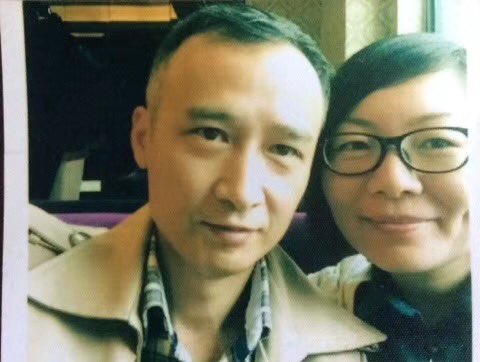
On July 22nd, after he visited Hong Kong for personal and organizational business, Chinese state security detained health rights advocate Cheng Yuan (photo right) and his two colleagues from NGO Changsha Funeng, Liu Yongze (photo left) and Xiao Wu. Cheng Yuan’s wife, Shi Minglei, has nothing to do with his NGO, but she was also detained and interrogated, and placed under residential surveillance under suspicion of subverting state power.
An open letter calling on China to release the Changsha Three is online here
In 2017 I was honored to be one of three recipients of the International Geneva Award from the Swiss Network for International Studies (SNIS). Here’s a 4-minute video interview about that work, now transmogrifying into part of my forthcoming book, The Uncounted: Politics of Data in Global Health. Many thanks to Ruxandra Stoicescu and the SNIS team.
Matt shared his recent study on the impact of the Global Fund on good governance in countries, Dr. Goosby and I shared comments, and we had a rich, focused discussion with some good audience questions. In hindsight, I only wish that I had spoken slower 🙂
Listen to the recording, and see the slides, here.
In exploring what can be learned from the experience of the Global Fund to Fight AIDS, TB and Malaria in the shift towards Universal Health Coverage (UHC), speakers on a recent high-level panel in Geneva pointed to three key lessons: the importance of embracing health as a human right; the role of the Global Fund’s investments in building stronger health and community systems and in advocating for the rights of key populations, women and girls; and the central role played by communities in advocating for their rights and in planning, implementing and evaluating the HIV response.

 I can’t quite believe this is finally happening, but…my new book, The Uncounted: Politics of Data in Global Health, will launch with a virtual conversation between me and Ryan Whitacre on Thursday, June 11th, from 16:00 – 17:00 CET. The webinar is co-sponsored by the Global Health Centre at the Graduate Institute; GENDRO; and the Geneva Centre for Education and Research in Humanitarian Action.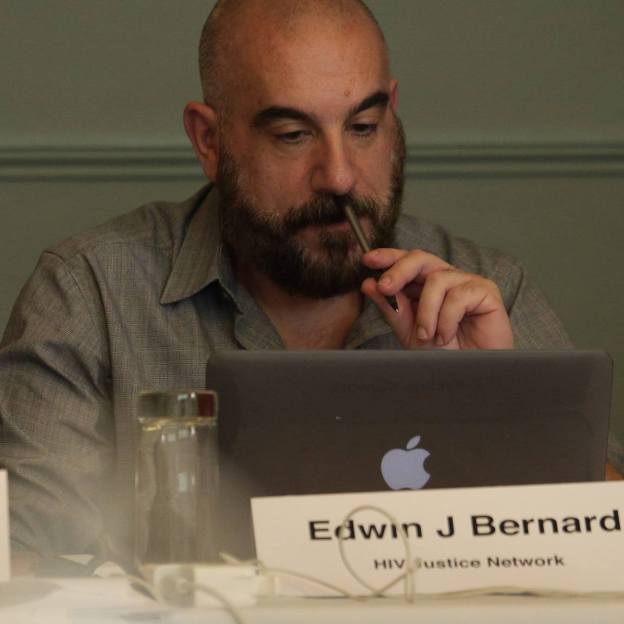



 Over 200 individuals and organizations signed an urgent appeal letter calling on China to release the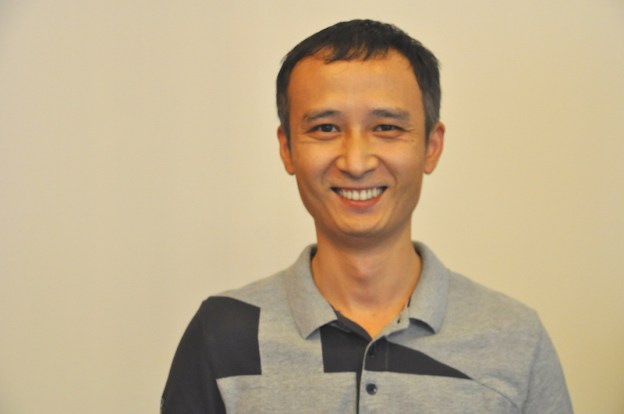


 Last month I got to join this great online webinar, “The Global Fund, Governance and Public Health”, with AIDS-activist-turned-prof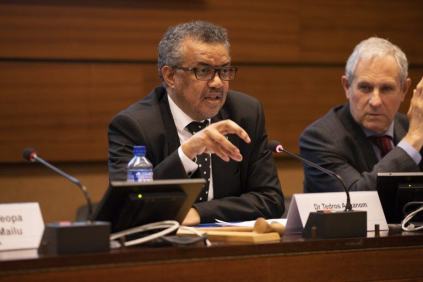
 Sara (Meg) Davis