Restrictions on registration, financing, and operations of civil society organizations go beyond reasonable limits recognized in human rights law and create a chilling climate for organizations working on HIV response in Ethiopia, Kenya and Uganda. That’s the finding of a new report by the International Center for Not-for-Profit Law (ICNL). I was proud to be part of the international writing team for the report, with lawyers and advocates from all three countries and from UNAIDS.
Category Archives: HIV/AIDS
African Commission launches HIV and human rights report

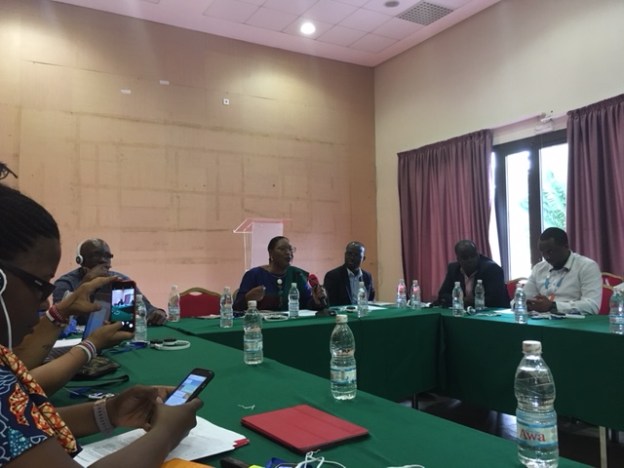
In a side meeting at the recent ICASA conference in Abidjan, the African Commission on Human and Peoples’ Rights launched its report, HIV, the Law and Human Rights in the African Human Rights System: Key Challenges and Opportunities for Rights-Based Responses. An early version of the report is online here. (to be updated when the final is posted online.)
Led by Commissioner Soyata Maiga, chairperson of the African Commission, the process brought together African human rights experts, civil society groups, and UN and other legal experts to review the extent to which African human rights systems address HIV-related human rights violations. Continue reading
Gay men’s networking zone vandalized at ICASA 2017
Activists describe “closing civic space” at African AIDS meeting – but also energy and inspiration to continue the fight

Civil society protest at Saturday plenary, ICASA 2017. Photo: Allan Maleche
A networking zone for men who have sex with men (MSM) at the African regional AIDS conference was vandalized Thursday night, with posters torn down and boxes stolen. The International Conference on AIDS and STIs in Africa (ICASA) met in Abidjan, Côte d’Ivoire from 4-9 December 2017. Despite numerous logistical problems and what some activists called “shrinking civic space”, civil society presence was strong and energetic throughout.
“We packed everything together neatly and covered it with a banner the night before,” in the MSM networking zone, said Delane Kalembo of African Men for Sexual Health and Rights (AMSHeR), which coordinated the zone. “When we arrived at eight the next morning, the stand that we used had been pulled out, material we had posted had been ripped off, two boxes of materials were stolen, and chairs were all over the show. It looks like our booth was targeted.” The vandalism was one of several incidents raised by civil society groups, who described “closing space” for communities at ICASA.

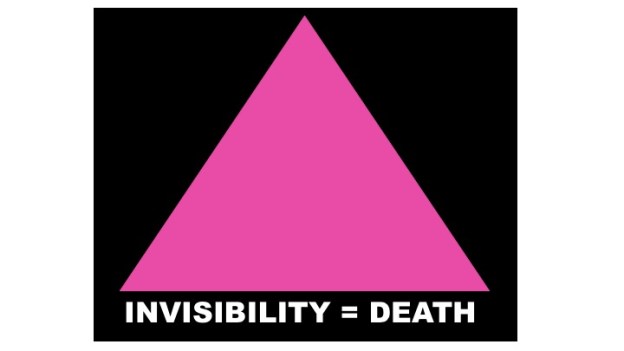
In the fight against HIV, data is becoming a critical stake in the struggle. My new article in the International Journal of Human Rights explores how in the global HIV response, data invisibility for hidden populations fuels inequality – and how some hidden populations are fighting back. Continue reading
African Commission recognizes that closing civic space hurts the fight against HIV
Civil society groups are under attack: in many countries, new laws and police crackdowns make it harder for groups to register, hold meetings, organize events, even to post online. CIVICUS found “serious threats to civic freedom” in 100 countries last year. This is disastrous for countries facing a high burden of HIV, where civil society has often led the way, and it especially affects the criminalized, hidden populations most vulnerable to HIV: sex workers, men who have sex with men, transgender people, and people who inject drugs. This report, which I wrote for Global Philanthropy Project last year, documents case studies of LGBT groups facing closing space in four countries, including Kenya.
Under the circs, it’s great news that the African Commission on Human and People’s Rights has recognized the threat in a new resolution on human rights defenders in Africa.
Aid eligibility in a mobile, high-velocity world
Wealthy countries need to invest every penny they can to combat global epidemics. Massive inequity in access to health care means that millions of people die each year of preventable, treatable diseases like HIV, TB and malaria. But who should be eligible for global health aid? Not so easy to answer. We’re stuck with some 20th century tools that don’t fit our high-velocity, globalizing world.
How Will We Know When It’s the End of AIDS?

In the Sustainable Development Goals (SDGs), the UN has called for the world to end AIDS by 2030. But the global AIDS response may be a victim of its own success, or of its snappy slogans — donor countries are starting to de-prioritize funding for HIV, in part because they think that the end is near.
So how near are we, really, to the end of AIDS?